About Sewage Treatment Plant
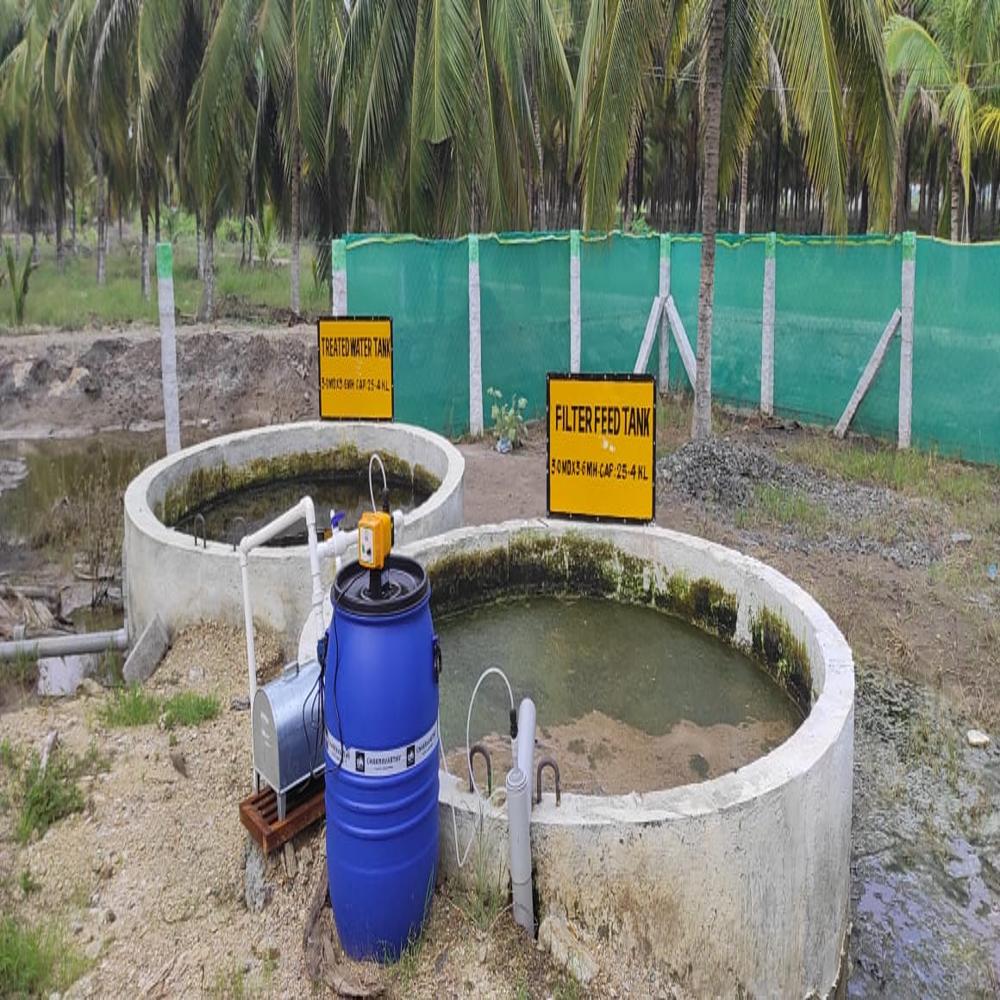
A Sewage Treatment Plant (STP) is an industrial or municipal facility designed to remove contaminants from wastewater. It processes sewage from homes, businesses, and industries so the treated water can be safely discharged into the environment or reused for non-potable purposes like flushing and gardening. [
1,
2,
3]
An STP typically operates in three main stages to purify wastewater:
1. Primary Treatment (Physical)
Wastewater enters the plant and passes through screens and grit chambers to filter out large objects, rags, sand, and heavy solid particles. The water is then held in large settling tanks where heavier solid waste sinks to the bottom as raw sludge, and oils/grease float to the top to be skimmed off. [
1,
2,
3,
4]
2. Secondary Treatment (Biological)
This stage targets dissolved and suspended organic matter. Beneficial microorganisms and bacteria are introduced to the wastewater in an aerated tank. These bacteria break down and consume the biodegradable pollutants. The water then moves to a secondary clarifier tank where the remaining biological solids settle out. [1, 2, 3, 4, 5]
3. Tertiary Treatment (Advanced)
This is the final polishing stage to achieve high water purity. It involves advanced filtration (like sand filters) and nutrient removal (such as nitrogen and phosphorus). Finally, the water is disinfected using chlorine or UV (ultraviolet) light to kill any remaining bacteria and pathogens before it is safely released




 Send Inquiry

 Send Inquiry